

The healthcare marketing landscape is shifting and fast.
The old playbook of billboards, print ads, and word-of-mouth referrals just doesn’t cut it anymore. Patients are now behaving like digital-first consumers. They compare options, read reviews, and search for the best care online before they ever step foot in a hospital.
81% of patients now research online before choosing a healthcare provider. That means your potential patients are forming opinions and often making decisions, long before they contact your front desk.
This shift isn’t just about going digital. It’s about becoming smarter, faster, and more personalized. That’s where Artificial Intelligence (AI) becomes your secret weapon.
AI is no longer a futuristic buzzword, it’s a practical, powerful tool hospitals are already using to:
- Understand patient behavior and preferences at scale.
- Automate personalized outreach without hiring more staff.
- Predict demand for services before it happens.
- Improve online visibility and build trust with targeted content.
In other words, AI helps you do more with less, and do it better than traditional marketing ever could.
In this guide, we’ll walk you step-by-step through how hospital managers may leverage AI to grow their practices. You’ll learn how to use it for content creation, patient engagement, paid advertising, predictive analytics, and more.
By the end, you’ll have a clear roadmap for turning AI into a competitive edge, helping your hospital attract more patients, improve retention, and build a stronger brand in an increasingly digital healthcare world.

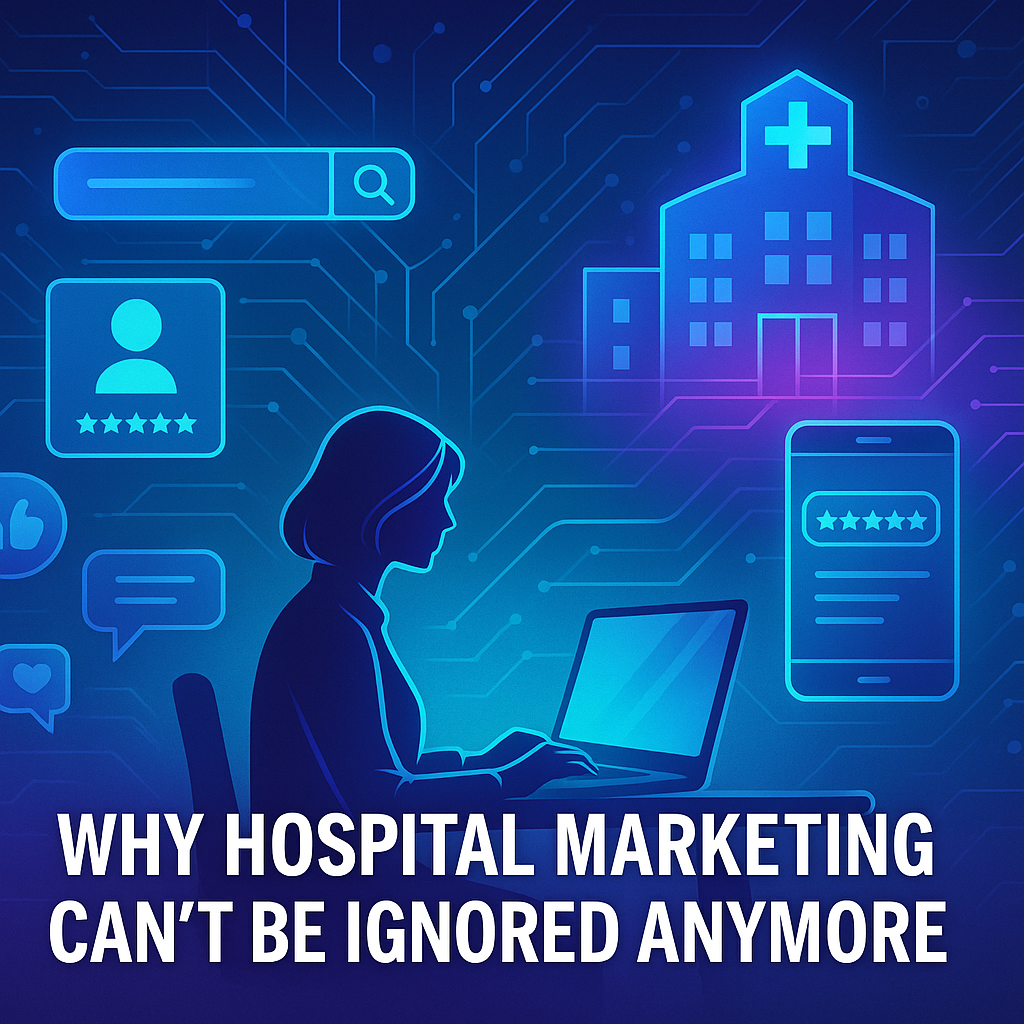
Why Hospital Marketing Can’t Be Ignored Anymore
Healthcare isn’t what it used to be.
In the past, patients chose hospitals based on proximity, doctor referrals, or family tradition. Today, they behave like consumers. They compare services, read reviews, check social media, and weigh their options, often without ever speaking to a single staff member.
This shift has transformed healthcare into one of the most competitive industries in the digital age.
Patients Are in Control
The average patient now approaches healthcare decisions the same way they shop for hotels or restaurants. They want convenience, quality, transparency, and trust. They do their homework before committing.
In fact, 77% of patients search online before booking an appointment. They’re reading testimonials, scanning Google reviews, and comparing your services with the hospital across town, sometimes within minutes.
If your hospital isn’t visible online or isn’t telling its story effectively, you’re invisible to this majority.
Competition Is Fierce
It’s not just other hospitals you’re competing with anymore. Telehealth platforms offer virtual consultations without travel. Private clinics promise boutique experiences, while retail healthcare services inside pharmacies offer convenience and speed.
All of them are targeting the same patients you are and many are already using AI-driven marketing to do it better and faster.
Traditional Marketing Isn’t Enough
Print ads, flyers, and billboards still have their place, but their ROI is dropping. They can’t deliver the personalized, data-driven experiences patients expect. They don’t scale and they don’t give you real-time feedback to refine your messaging.
Marketing Is No Longer Optional, It’s Survival
In today’s environment, marketing isn’t just about filling beds. It’s about building trust, retaining patients, and growing sustainably. A strategic marketing approach ensures your services are seen, understood, and chosen again and again.
The hospitals that thrive in the next decade won’t just provide excellent care, they’ll master how to communicate that excellence. That begins with modern, AI-powered marketing.
1. Use AI to Understand and Segment Your Patient Audience
If you want your marketing to work, you have to start with one thing, understanding your audience.
Segmentation is dividing your patients into meaningful groups based on shared traits. It is the foundation of every high-performing marketing strategy. Thanks to AI, it’s now easier, faster, and far more precise than ever before.
Why Segmentation Is Critical in Modern Healthcare
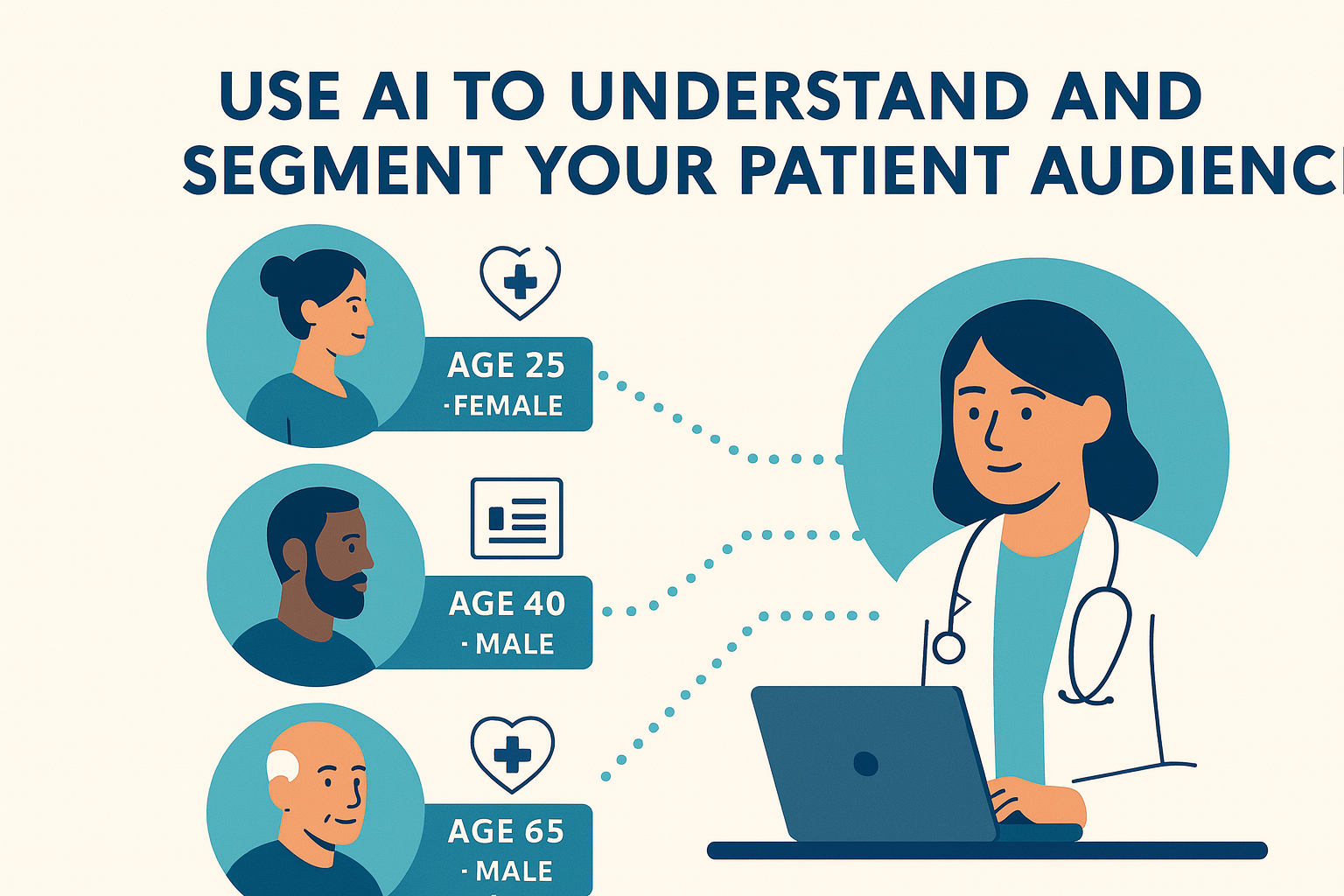
Patients are no longer one-size-fits-all. They vary by age, gender, lifestyle, digital behavior, and healthcare needs. A 25-year-old first-time mom looking for prenatal care has very different priorities than a 65-year-old heart patient comparing cardiology clinics.
The problem is that traditional marketing often treats them the same, but AI fixes that.
AI may sort through massive amounts of patient data far beyond what humans may process and group individuals into highly specific segments based on dozens of factors. This kind of micro-segmentation makes your messaging more relevant and your campaigns more effective.
How AI Analyzes Patient Data
Instead of relying solely on demographics, AI digs deeper. It examines:
- Search behavior – what potential patients are searching for online.
- Engagement signals – how they interact with emails, landing pages, and social posts.
- Geolocation data – where they are and how local health trends shift.
- Psychographics – values, preferences, and lifestyle indicators.
With this information, AI builds dynamic patient personas that evolve in real time, giving you a crystal-clear picture of who your audience is and what they care about.
Predicting Future Demand With AI
AI goes beyond understanding today’s audience. It predicts future patient behavior.
Using predictive analytics, hospitals may forecast seasonal service demand, anticipate spikes in specific treatments, and even detect shifts in patient priorities before they happen.
This lets you launch marketing campaigns before demand peaks, giving you a major competitive edge.
Tools to Power Patient Segmentation
- IBM Watson Health – advanced analytics for patient behavior insights.
- Google Cloud Healthcare AI – predictive modeling based on real-time data.
- Amplitude or Segment – track and analyze patient engagement journeys.
Real-World Results
One regional hospital used AI-driven segmentation to personalize its outreach campaigns. Instead of sending one-size-fits-all messages, it created campaigns tailored to patient age, search intent, and care history. This resulted in a 40% increase in appointment bookings within six months, without raising its ad spend.
2. Automate and Personalize Patient Outreach
In healthcare marketing, timing and relevance may make the difference between a booked appointment and a missed opportunity. Patients expect personalized, proactive communication and AI makes that possible at scale.
Personalization Beyond First Names
Personalization used to mean adding a first name to an email. Today, that’s not enough. Patients want healthcare providers who anticipate their needs, communicate with relevance, and offer solutions before they ask.
AI analyzes patient data such as demographics, browsing history, appointment records, and communication preferences to build a 360° profile of each individual. With this insight, hospitals may send messages that truly resonate.
For example:
- A patient researching knee replacement treatments receives educational content and a consultation offer.
- A patient who hasn’t scheduled a follow-up is automatically reminded to do so.
- A family with young children gets seasonal vaccination reminders.
This level of personalization not only improves engagement but also builds trust.
Automating Communication Across Every Channel
AI enables you to automate messaging across email, SMS, chatbots, and even voice assistants. It ensures the right message reaches the right patient at the right time, without adding pressure to your staff.
It doesn’t stop at reminders. AI tools may trigger follow-up messages based on specific behaviors like opening an email but not booking or recommend related services based on past treatments. This dynamic messaging nurtures patients throughout their entire care journey.
Best Tools for AI-Driven Outreach
- HubSpot AI – automates patient email workflows, segment targeting, and behavior-triggered campaigns.
- Salesforce Health Cloud – centralizes patient data to power personalized communications across multiple channels.
- Twilio Engage – helps deliver SMS and voice outreach tailored to patient preferences.
3. Create High-Converting SEO Content with AI
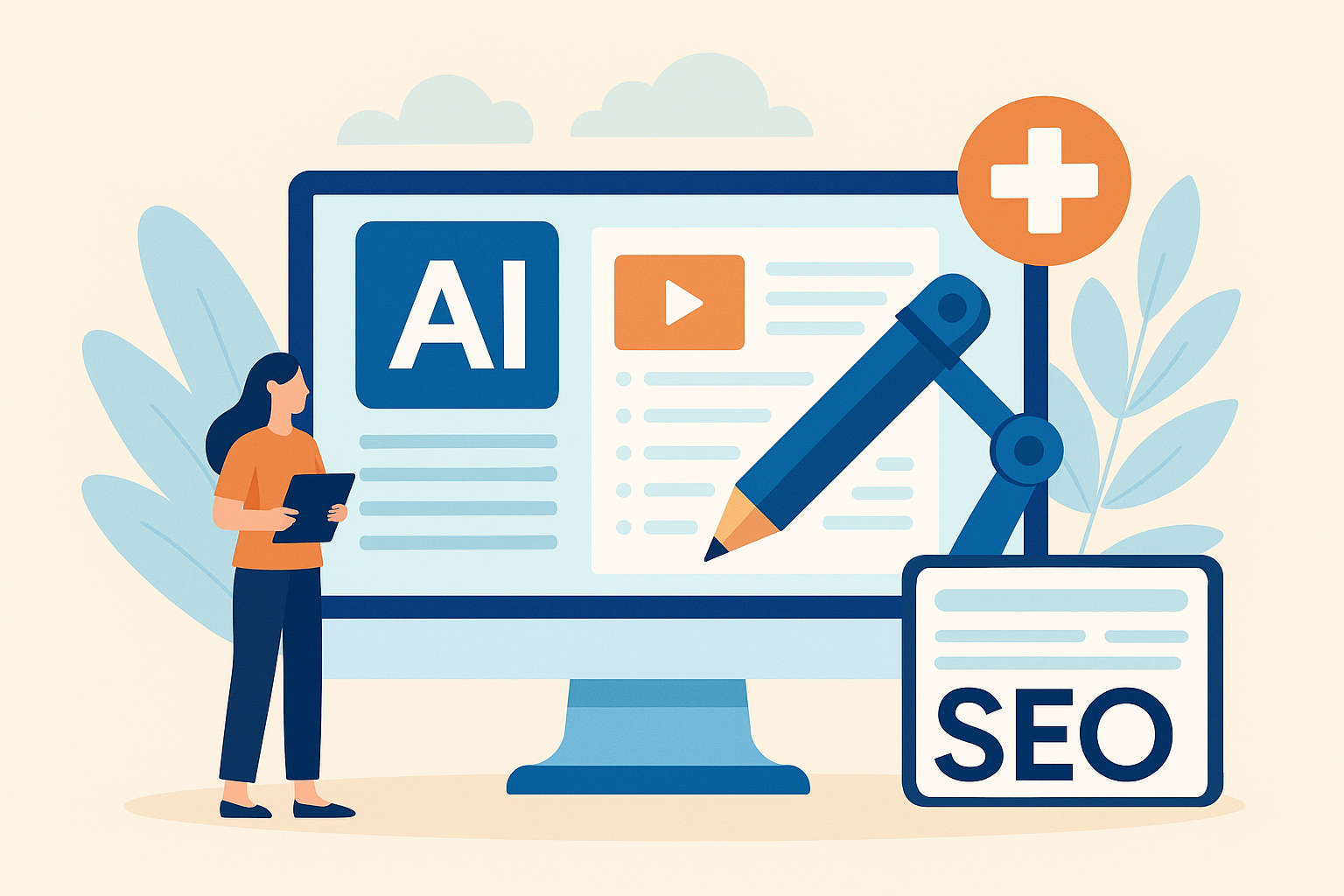
Content is the heartbeat of digital healthcare marketing. It’s how patients discover you, trust you, and ultimately choose your services over competitors. But here’s the catch, writing high-quality, optimized healthcare content consistently is hard.
That’s where AI becomes a game-changer.
AI Supercharges Content Creation
AI tools may now do more than just write articles. They may research patient search intent, generate optimized headlines, suggest keywords, and even help you structure blog posts around what people are actively looking for.
Instead of spending hours brainstorming content ideas, you may use AI to instantly identify topics like:
- “Best ways to manage diabetes naturally.”
- “How to prepare for knee replacement surgery.”
- “What to expect during your child’s first dental visit.”
These are real search terms people use. Optimizing for them means you’re not guessing, you’re delivering exactly what patients want.
Personalized, SEO-Driven Articles
AI doesn’t just help with topics – it also personalizes the message. Using patient data and search behavior, AI tools tailor the tone, language, and structure of your content to specific demographics. A younger audience might respond better to conversational blog posts, while older readers may prefer in-depth educational guides.
This level of customization helps your content rank higher, convert better, and build more trust.
Voice Search and FAQs
Patients are increasingly using voice search to find care and asking questions like “What’s the best pediatrician near me?” or “How soon should I see a cardiologist for chest pain?” AI helps you structure FAQ sections and conversational content that captures this growing traffic source.
Tools That Make It Happen
- Jasper AI – generates blog posts, service pages, and FAQs optimized for SEO.
- Surfer SEO – analyzes top-ranking content and guides you on how to outrank it.
- ChatGPT – quickly drafts personalized educational content and patient resources.
Hospitals that use AI to scale their content marketing often see up to 60% more organic traffic and higher patient conversions.
4. Hyper-Personalized Patient Communication with AI
Patients expect healthcare providers to communicate with them the same way top brands do personally, conveniently, and on their terms. In fact, personalization is no longer a “nice to have”, it’s the standard. AI makes this possible by transforming how hospitals deliver email, SMS, chatbot, and follow-up communications.
Smarter Email and SMS Campaigns
AI may tailor email and text message campaigns to each patient’s unique situation. Instead of sending the same generic message to everyone, AI tools analyze patient data including demographics, appointment history, and browsing behavior to deliver relevant, timely, and targeted content.
Here’s how that might look:
- A patient searching for cardiology services gets a tailored message about heart screening packages.
- Someone who missed a check-up receives a personalized reminder.
- A new parent gets tips on newborn care and follow-up vaccination schedules.
This kind of personalization drives higher open rates, stronger engagement, and improved patient satisfaction.
AI Chatbots – 24/7 Support That Patients Love
Patients don’t just want answers, they want them now. AI-powered chatbots make that possible by offering 24/7 support directly on your website or patient portal. They may:
- Answer common FAQs about treatments, insurance, and appointments.
- Help patients schedule, reschedule, or cancel visits.
- Direct users to relevant pages or specialists based on their queries.
Beyond convenience, chatbots improve efficiency and free up your staff. The results speak for themselves: AI-powered chatbots may reduce missed appointments by up to 30%.
Real-Time Follow-Ups and Reminders
AI doesn’t stop after the first interaction. It continuously monitors patient behavior to trigger real-time follow-ups. If someone opens an email but doesn’t book, the system may send a follow-up nudge. If a patient cancels an appointment, it may recommend alternative dates automatically.
These micro-interactions keep patients engaged throughout their care journey building loyalty and improving retention rates.
5. Build Smart Chatbots to Capture and Convert Leads
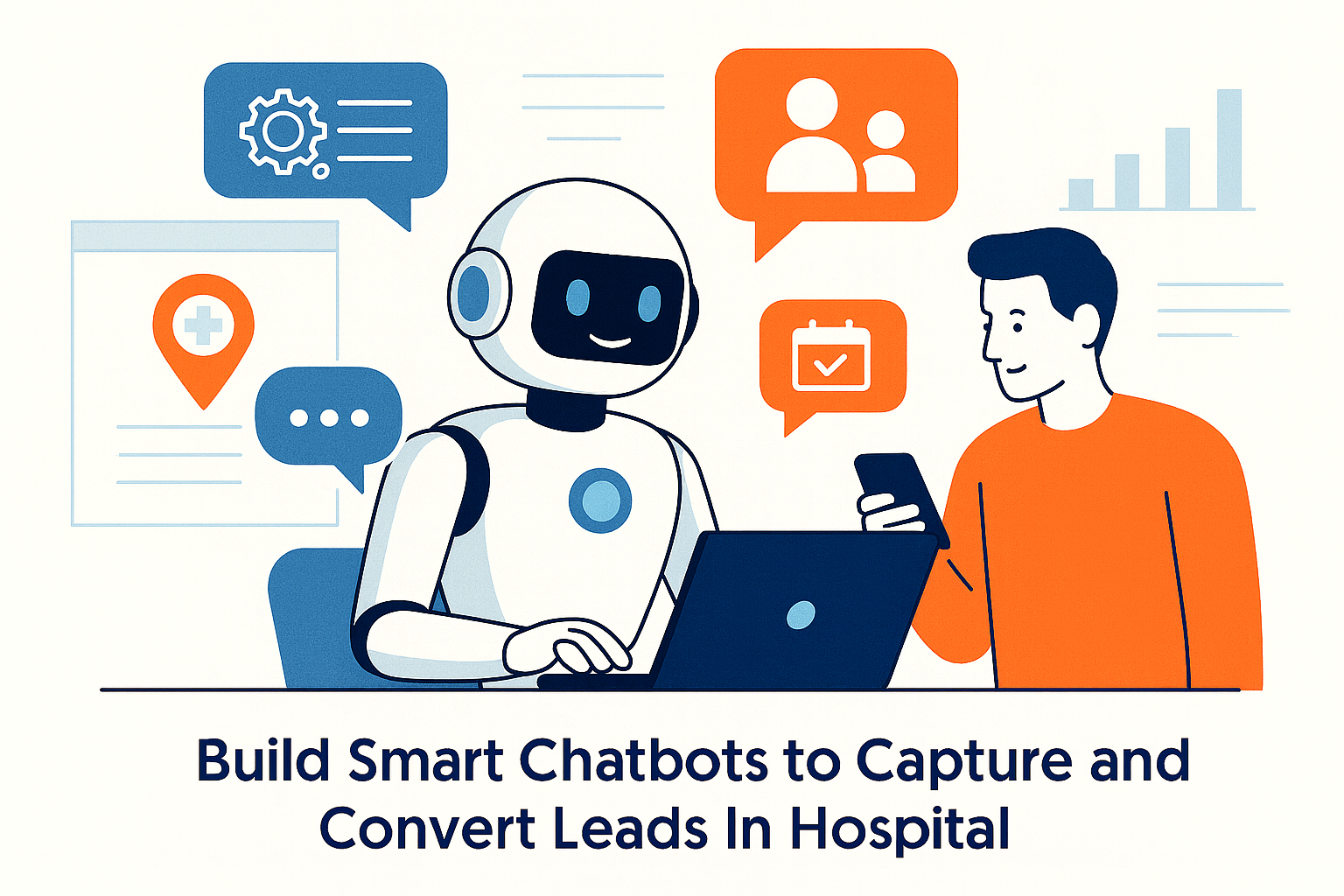
AI chatbots aren’t just virtual assistants, they’re powerful lead-generation tools that may transform your website traffic into booked appointments. While many hospitals still use chatbots for basic FAQs or scheduling, the smartest ones use them to capture, qualify, and nurture patient leads 24/7.
From Conversations to Conversions
Modern chatbots may do much more than answer questions. They guide visitors through the entire patient journey, from the moment someone lands on your site to the moment they schedule care.
Here’s how:
- Engage instantly – a chatbot greets website visitors and offers help based on their browsing behavior.
- Qualify leads – by asking simple questions (e.g., symptoms, location, or insurance type), the bot identifies high-intent patients.
- Recommend services – it may direct them to relevant treatment pages, doctors, or booking options.
- Book appointments – finally, it schedules a consultation right inside the chat window, no phone call needed.
These seamless conversations keep potential patients from leaving your site and dramatically increase conversion rates. According to a recent report, businesses using conversational AI have seen up to a 67% increase in qualified leads.
Personalization in Real Time
AI chatbots also adapt their messaging in real time. They use patient data, previous interactions, and behavior signals to personalize conversations. For instance, someone searching for “orthopedic care” might receive different recommendations than someone browsing “pediatric services.” This personalization builds trust and trust converts.
Best Practices for Hospital Chatbots
- Keep it conversational – patients respond better to natural language than robotic scripts.
- Design for intent – build workflows for different goals from booking consultations to downloading health guides.
- Follow up – use chatbot data to trigger email campaigns or follow-up messages for unbooked leads.
Tools That Excel
- Ada Health – AI-driven healthcare chatbot for patient triage and lead capture.
- Drift – great for conversational marketing and appointment booking.
- Intercom – combines live chat with automated workflows for lead nurturing.
In short, chatbots aren’t just about convenience, they’re about converting visitors into patients. When powered by AI, they do it faster and more effectively than any human team could.
6. Use AI for Paid Advertising (PPC & Social Ads)
Paid advertising is one of the fastest ways to attract new patient, but it’s also one of the easiest ways to burn your budget if you’re not careful. Traditional campaigns often rely on trial and error: guess the keywords, run the ad, hope for clicks. AI changes that game completely.
Smarter Targeting, Better ROI
AI may analyze millions of data points in seconds to identify your ideal patient audience. It looks at demographics, location, online behavior, and even intent signals to decide who is most likely to respond – and when.
For example, instead of showing your cardiology ad to everyone in your city, AI might target:
- Adults aged 45+ who recently searched for “chest pain treatment”.
- Users who read articles about heart disease prevention.
- People within a 10-mile radius of your facility.
This level of precision dramatically increases click-through rates and reduces wasted ad spend.
Automated Bidding and Optimization
AI doesn’t stop at targeting – it also manages your bids in real time. Platforms like Google Ads and Meta Ads use machine learning to adjust your bids based on performance trends, user behavior, and competition. That means you’re always getting the best results for your budget without constant manual tweaking.
Dynamic Ad Creative
AI tools may even help you write and test ad copy. By analyzing engagement patterns, they automatically generate headlines, descriptions, and calls-to-action that resonate with your audience. Some platforms also build adaptive ad formats – showing different versions to different segments for maximum impact.
Tools Worth Using
- Google Ads Smart Bidding – automatically adjusts bids for conversions.
- AdCreative.ai – uses AI to generate high-performing ad copy and visuals.
- Meta Advantage+ – optimizes audience targeting and placements on Facebook and Instagram.
AI-powered advertising ensures your marketing dollars work harder and brings more qualified patients through your doors.
7. Improve Social Media Marketing with AI
Social media is where patients spend a large part of their day. It’s a goldmine for hospitals looking to build trust, increase visibility, and attract new leads. But managing multiple platforms and posting consistently is tough. That’s where AI shines.
Social Listening and Trend Prediction
AI tools may scan social media conversations to understand what people are saying about healthcare – and about you. This “social listening” reveals trending topics, patient concerns, and content opportunities. For example, if conversations about “flu prevention” spike in your city, you may publish timely posts or promote a flu shot campaign immediately.
Smart Content Creation and Scheduling
AI also helps you create and schedule posts more efficiently. It may recommend optimal posting times, suggest hashtags, and even generate captions. Some platforms predict which content types, video, carousel, or story will perform best with your audience.
Personalized Engagement at Scale
AI chatbots integrated into social platforms allow you to respond to patient inquiries 24/7. They may answer FAQs, guide users to booking pages, and collect lead information – all without human intervention.
Recommended Tools
- Sprout Social – AI-powered analytics and social listening.
- Lately.ai – automates content creation from existing materials.
- Hootsuite Insights – tracks engagement patterns and audience sentiment.
With AI handling the heavy lifting, you may turn social media into one of your most powerful patient acquisition channels – consistently and efficiently.
8. Boost Reputation Management with AI
In healthcare, your online reputation may make or break your practice. A single negative review may cost you dozens of potential patients. That’s why proactive reputation management is essential – and AI makes it much easier.
Monitor Reviews in Real Time
AI tools continuously scan platforms like Google Reviews, Healthgrades, and Yelp for new feedback. Instead of manually checking each one, you get instant alerts when reviews are posted – so you may respond quickly and professionally.
Sentiment Analysis
Beyond simple star ratings, AI analyzes the tone and context of reviews. This “sentiment analysis” helps you understand patient satisfaction trends, pinpoint recurring issues, and identify areas for improvement.
Proactive Review Generation
AI may also help you generate more positive reviews. After a patient visit, it may trigger automated follow-ups asking for feedback. It may even detect satisfied patients (based on previous interactions) and prompt them specifically, improving your average rating over time.
Best Practices
- Always respond to negative reviews with empathy and a solution.
- Highlight positive testimonials on your website and social media.
- Use insights from reviews to improve patient experience.
When your reputation is strong, your marketing ROI skyrockets – because trust is the foundation of every patient decision.
9. Predict Patient Demand and Plan Campaigns with AI Analytics
One of AI’s biggest strengths is its ability to predict the future – and in healthcare marketing, that’s a massive advantage. Predictive analytics helps you anticipate patient needs, plan campaigns in advance, and allocate resources more efficiently.
Forecasting Seasonal Trends
AI analyzes historical data, search patterns, and external factors (like flu season or local events) to forecast patient demand. For instance, it might predict increased interest in vaccination services in September or higher orthopedic consultations after sports seasons.
Optimizing Marketing Spend
These insights let you plan campaigns around when patients are most likely to seek care – meaning your ads hit when interest is highest. That leads to higher conversion rates and lower costs per acquisition.
Predicting Patient Lifetime Value (PLV)
AI may also estimate the long-term value of different patient segments. This helps you focus your marketing budget on high-value patients who are likely to return for follow-ups, referrals, or additional services.
Tools for Predictive Insights
- Tableau AI – visualizes patient demand forecasts.
- Microsoft Azure ML – predicts care trends using machine learning models.
- Google BigQuery – analyzes search and behavior data at scale.
Predictive analytics transforms marketing from reactive to proactive – putting you several steps ahead of the competition.
10. Hyper-Personalize the Patient Journey
Marketing doesn’t stop once a patient books an appointment. The real magic happens when you personalize the entire journey, from initial contact to post-care follow-up. AI makes that possible at scale.
Personalized Landing Pages
AI may dynamically change website content based on the visitor’s location, referral source, or search history. A user searching for “pediatric care” will see different messaging than one researching “joint replacement.”
Smart Follow-Ups
After a visit, AI may trigger tailored follow-ups like recommending wellness programs, scheduling annual checkups, or sending reminders for future screenings. These small touches significantly boost patient loyalty.
Upselling and Cross-Selling
AI may also identify opportunities for additional services. For example, a patient who came in for a heart screening might receive recommendations for a nutrition program or stress management workshop.
When every touchpoint feels personalized, patients are more likely to stay engaged – and become long-term advocates for your practice.
11. Use Generative AI for Video and Visual Marketing
Video is the most engaging form of content online, and healthcare is no exception. The challenge? It’s expensive and time-consuming to produce. Generative AI changes that.
AI-Generated Video Content
Tools now exist that may turn text scripts into professional-looking videos, complete with narration, animations, and captions. You may use them for patient education, service overviews, testimonials, or explainer videos.
Personalized Video Campaigns
AI may also tailor videos to different audience segments. A young audience might see a 60-second social clip, while older viewers get a more detailed explainer.
Visual Branding at Scale
AI design tools help create branded infographics, social posts, and promotional materials in minutes, which ensures consistent, high-quality visuals across all platforms.
With video engagement rates nearly 49% higher than other content formats, AI-generated visuals are a must-have in your marketing mix.
12. Automate Market Research and Competitive Analysis
Effective marketing isn’t just about promoting your services – it’s about knowing the landscape. AI gives you a clear view of your competitors and market trends without hours of manual research.
Real-Time Competitor Tracking
AI tools may monitor competitors’ websites, ad campaigns, and content strategies – alerting you to new services, pricing changes, or messaging trends. This allows you to pivot your own campaigns quickly.
Keyword and Content Gap Analysis
AI may identify keywords your competitors rank for – and help you fill those gaps with targeted content. It also suggests untapped topics that patients are searching for but competitors haven’t addressed yet.
Market Trend Forecasting
Beyond competitors, AI analyzes broader industry trends – such as rising interest in telehealth or preventive care – so you may align your strategy with where patient demand is heading.

13. Compliance and Ethical Considerations
AI marketing is powerful but in healthcare, it must be handled responsibly. Patient data is sensitive, and compliance isn’t optional.
HIPAA and Data Privacy
Always ensure that any AI tool you use complies with HIPAA and other relevant data protection laws. Patient consent, secure data handling, and transparent privacy policies are non-negotiable.
Ethical Use of AI
Be transparent with patients if AI is used in communications. Avoid manipulative messaging and ensure your marketing remains accurate and evidence-based.
Trust Is Everything
Ultimately, the goal of AI marketing is to build trust – not exploit data. When used ethically, it enhances the patient experience and strengthens your brand reputation.
The Future of AI in Hospital Marketing
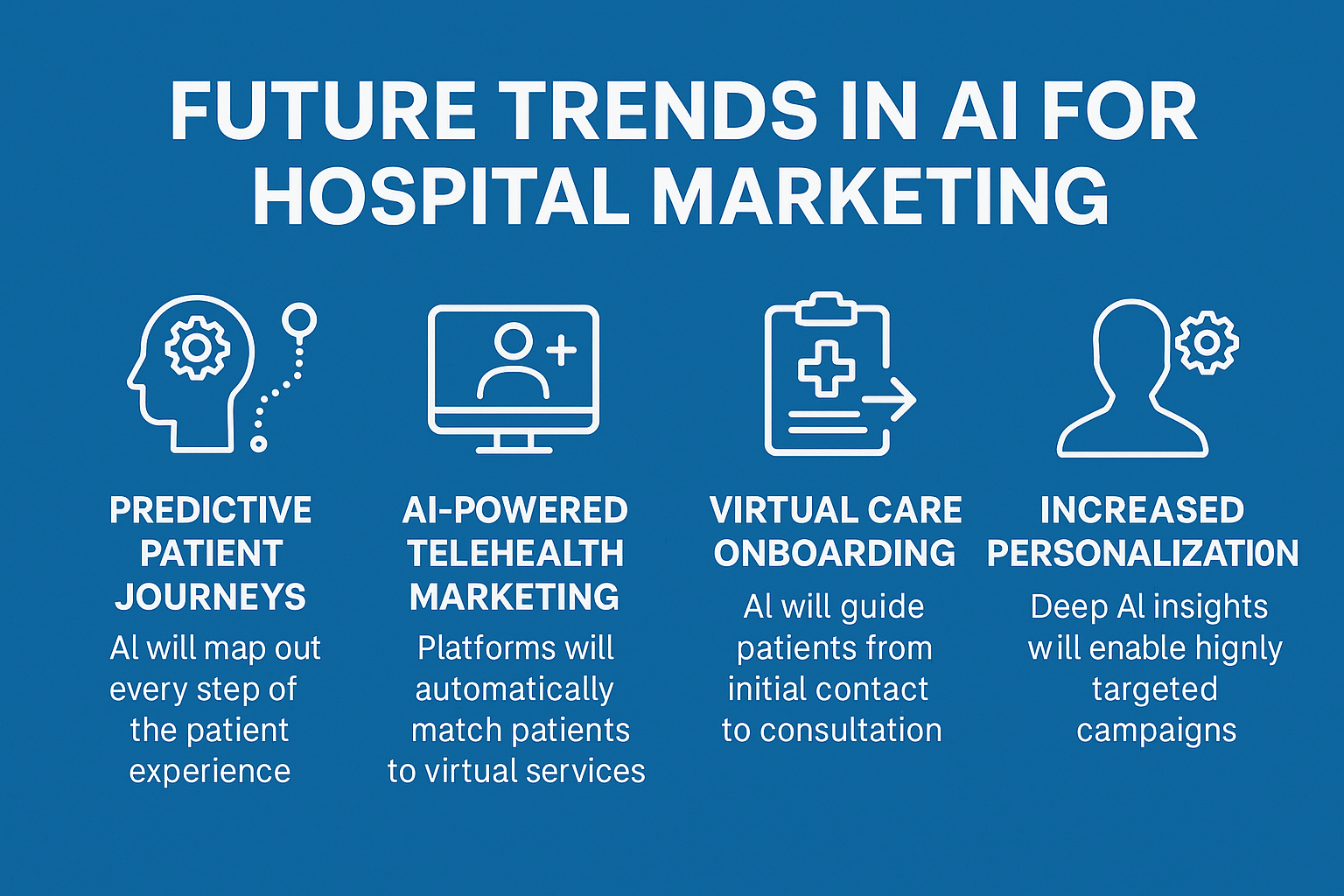
1. Predictive and Proactive Marketing
In the near future, AI won’t just respond to patient behavior, it will predict it before it happens. Hospitals will be able to anticipate when a patient might need a check-up, a follow-up visit, or preventive care, and proactively reach out with personalized recommendations. This predictive journey will dramatically increase conversion rates and patient satisfaction.
2. Hyper-Personalized Experiences
The next wave of AI will push personalization even further. From dynamic website content to fully customized treatment recommendations, hospitals will deliver experiences that feel one-to-one — even at scale. Marketing will become less about campaigns and more about continuous, personalized conversations with patients.
3. AI-Powered Virtual Care Marketing
As telehealth continues to grow, AI will play a major role in matching patients with the right virtual care services. Intelligent systems will guide them from initial symptom checkers to scheduling online consultations, removing friction and improving access to care.
4. Seamless Patient Journeys
The future is a patient journey that’s completely orchestrated by AI, from discovery and booking to follow-ups and loyalty programs. Hospitals that embrace this technology now will stay ahead of the curve, building deeper trust and longer-lasting relationships with their patients.
The future belongs to healthcare organizations that use AI not just as a marketing tool, but as a strategic growth partner. Those who start today will lead tomorrow.
FAQs
1. Is AI expensive for hospitals to implement?
Not necessarily. Many AI tools are scalable, offering affordable entry points for smaller hospitals and more advanced options for larger systems. Starting with one or two tools (like chatbots or analytics) is often cost-effective and delivers quick ROI.
2. Will AI replace human marketers?
No. AI enhances human creativity and decision-making rather than replacing it. It handles repetitive tasks and complex data analysis, allowing your marketing team to focus on strategy and patient relationships.
3. Is using AI in healthcare marketing safe and legal?
Yes, as long as you comply with privacy regulations like HIPAA. Always ensure your tools encrypt patient data and that you obtain proper consent for data use.
4. How quickly can hospitals see results from AI marketing?
It varies, but many hospitals see improvements such as increased website traffic, higher engagement, or more booked appointments within 3 to 6 months of implementation.
5. Where should I start with AI marketing?
Begin with one impactful area, like personalized email campaigns, AI chatbots, or predictive analytics. Once you see results, you may expand into more advanced applications.
Recent Comments