
Your website is your new waiting room. For most patients, it’s where they’ll decide whether to trust you before they ever walk through your doors.
Here’s the reality, two-third of patients search online before booking a doctor. That means your website isn’t just a digital business card. It’s the heartbeat of your medical practice. It’s where first impressions happen, credibility is built, and appointments are booked.
A strong healthcare website does three things well. First, it builds trust with a professional, modern design. Second, it educates and informs through clear content, easy navigation, and relevant resources.
Third, it drives action by letting visitors schedule appointments, contact your team, or start a telehealth session without friction.
But not all websites are created equal. 75% of users judge a business’s credibility by its site design. That means a slow, outdated, or poorly built site could be the reason patients choose your competitor instead.
In healthcare, compliance matters. Your website should support HIPAA-compliant forms and patient data security. It should integrate secure messaging, patient portals, and scheduling systems. It must also be mobile-first with more than 70% of healthcare searches now happening on mobile devices. The best part is that you don’t need a team of developers or a massive budget.
The right website builder may help you launch a beautiful, secure, and patient-friendly site in days – not months.
That’s exactly what this guide covers. Let’s skip the noise and dive straight into the best website builders for medical practices that deliver results.
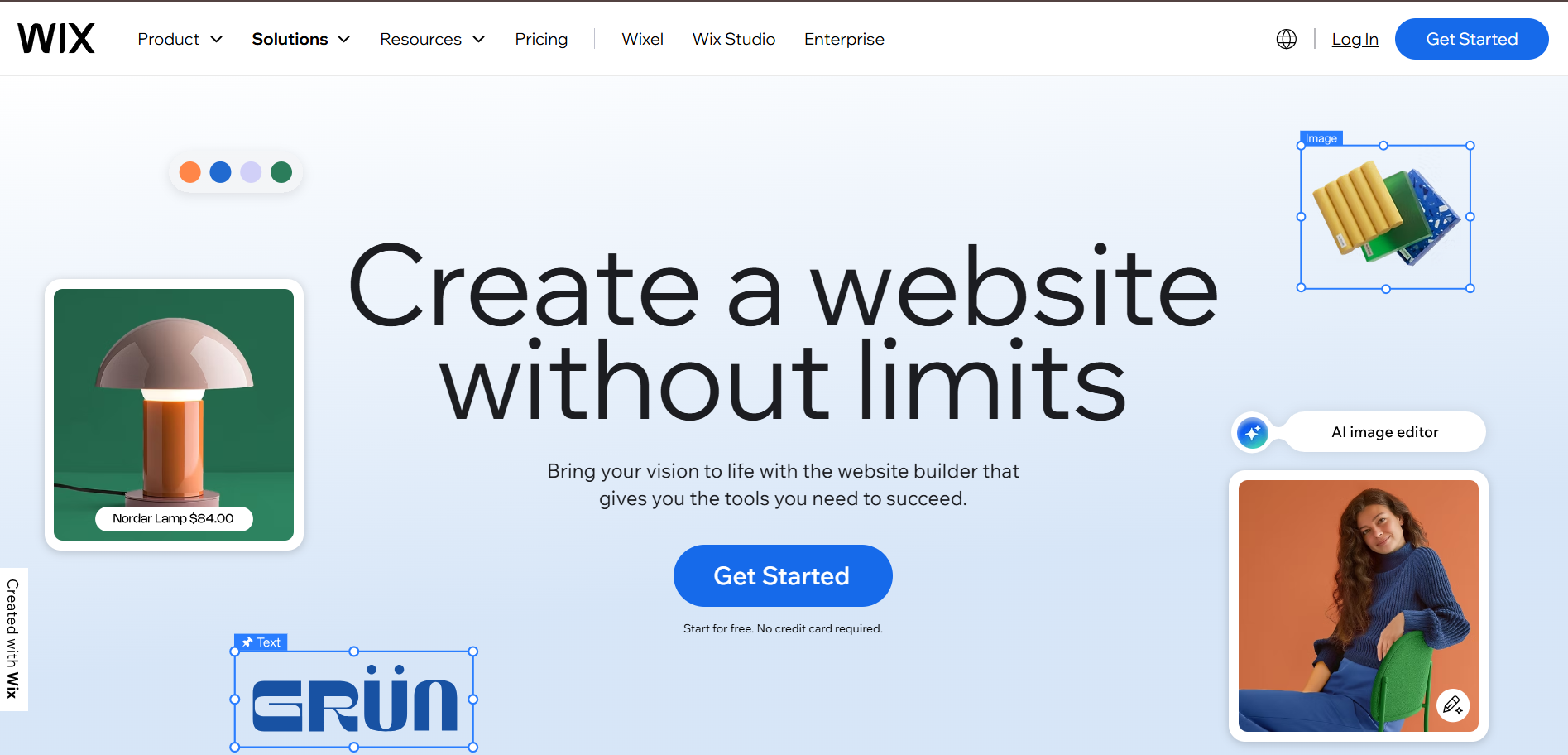
1. Wix – Best for Quick, Customizable Medical Sites
If you’re a doctor, clinic owner, or healthcare professional who wants a powerful website without coding headaches, Wix is one of the best options on the market. It’s built for simplicity, but powerful enough to grow with your practice. With over 250 million users worldwide, Wix has earned a reputation for being the most beginner-friendly yet professional website builder available.
Wix uses a drag-and-drop editor that makes site creation fast and intuitive. You simply choose a template, drag elements into place, and customize them to fit your brand. No HTML. No design degree. And no waiting weeks for a developer to finish the job.
The platform offers hundreds of medical and healthcare templates designed specifically for clinics, dental offices, therapists, and wellness centers. These templates include built-in sections for services, staff bios, patient testimonials, contact information, and booking forms so you may launch a professional site in just a few hours.
Wix is more than just good-looking pages. It’s also practical. The built-in Wix Bookings feature allows patients to schedule appointments online 24/7. They may choose a time, receive automated reminders, and even pay for consultations directly through your website. This single feature may significantly reduce admin work and improve patient satisfaction.
Security and compliance are also covered. While Wix itself isn’t inherently HIPAA-compliant, it offers HIPAA-ready integrations through partners like Compliancy Group. This allows you to safely collect patient information through encrypted forms, secure messaging, and privacy-compliant workflows.
Another reason healthcare professionals love Wix is the app ecosystem. You may integrate chatbots, telehealth platforms, online prescription tools, and even AI-powered virtual assistants to enhance the patient experience. With Wix’s mobile-first design approach, your site will look and work beautifully on any device, essential when 56% of healthcare searches now happen on smartphones.
Wix is better for small clinics, solo practitioners, and growing practices that want a professional, customizable site quickly with built-in booking, forms, and patient-friendly features.
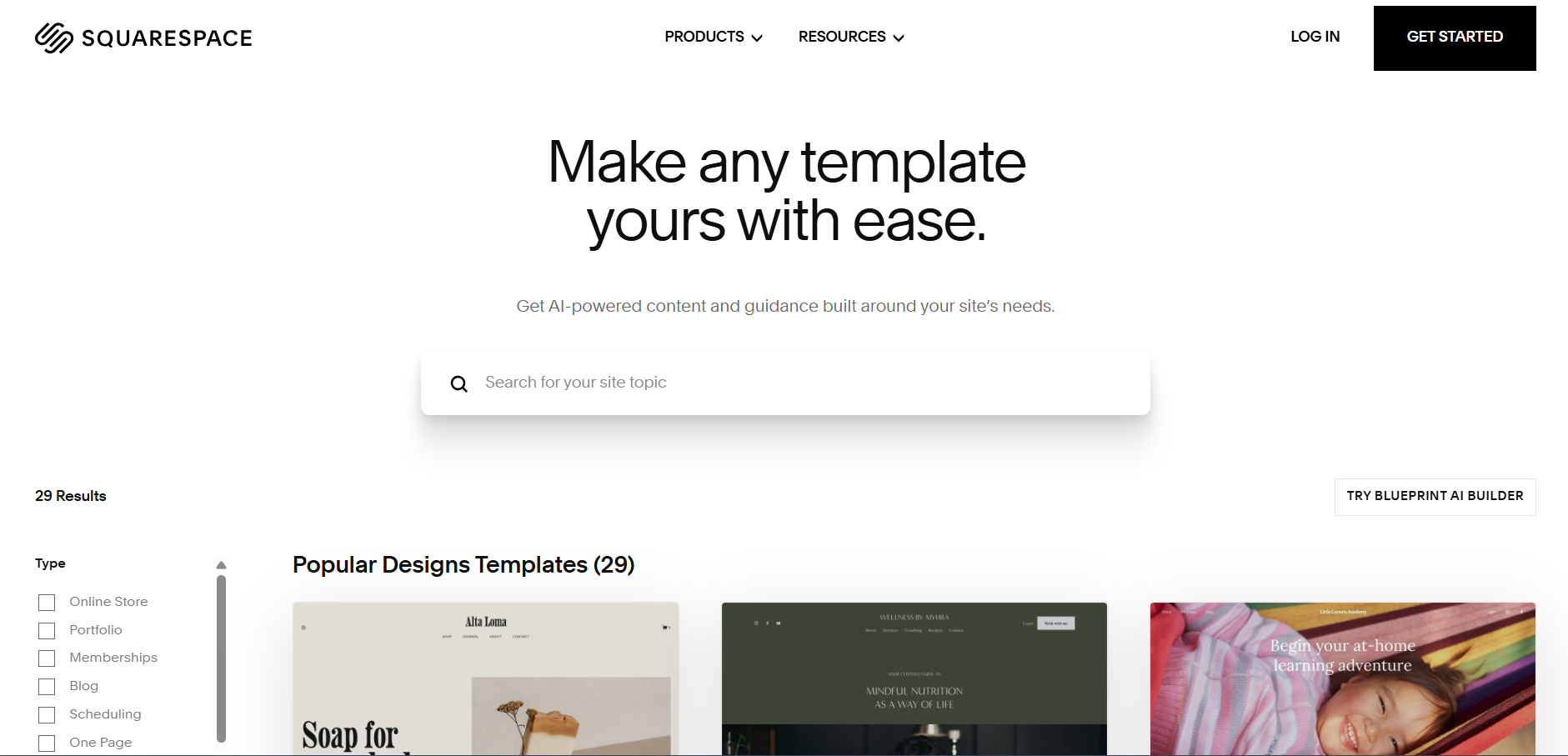
2. Squarespace – Best for Aesthetic, Trust-Building Designs
In healthcare, first impressions matter. Before a patient reads a single review or calls your office, they’ll judge you based on your website’s design. That’s why Squarespace is one of the top choices for medical practices that want to look credible, professional, and trustworthy online.
Squarespace is known for its clean, minimalist templates, and that’s exactly what healthcare websites need. No clutter, no confusing layout. Just elegant, mobile-responsive designs that instantly build trust with patients. 75% of users judge a business’s credibility by its website design. With Squarespace, you’ll pass that test every time.
You don’t need a design background to make it happen either. Squarespace uses a simple drag-and-drop editor, so customizing your site is quick and intuitive. You may easily change fonts, colors, and layouts to match your brand, and you’ll never have to touch a line of code.
For healthcare professionals, one of Squarespace’s biggest strengths is its blog and content capabilities. Adding a blog to your site lets you publish educational articles, share wellness tips, and post updates, all of which build authority and improve patient trust. It also helps you rank higher in search results, since businesses with blogs generate 55% more website traffic.
Squarespace also comes with built-in SEO tools that are perfect for medical practices. You may optimize your page titles, meta descriptions, and image alt text without plugins. The platform automatically generates clean URLs and sitemaps, which makes it easier for Google to index your content.
Another major advantage is its seamless integration with patient communication tools. You may embed contact forms, add appointment request pages, or link directly to telehealth portals. This is because Squarespace templates are mobile-first, your website will load quickly and look professional on any device, which is crucial since most healthcare traffic now comes from smartphones.
Squarespace is best for healthcare providers who want a clean, modern website that builds credibility and educates patients without hiring a designer or developer.
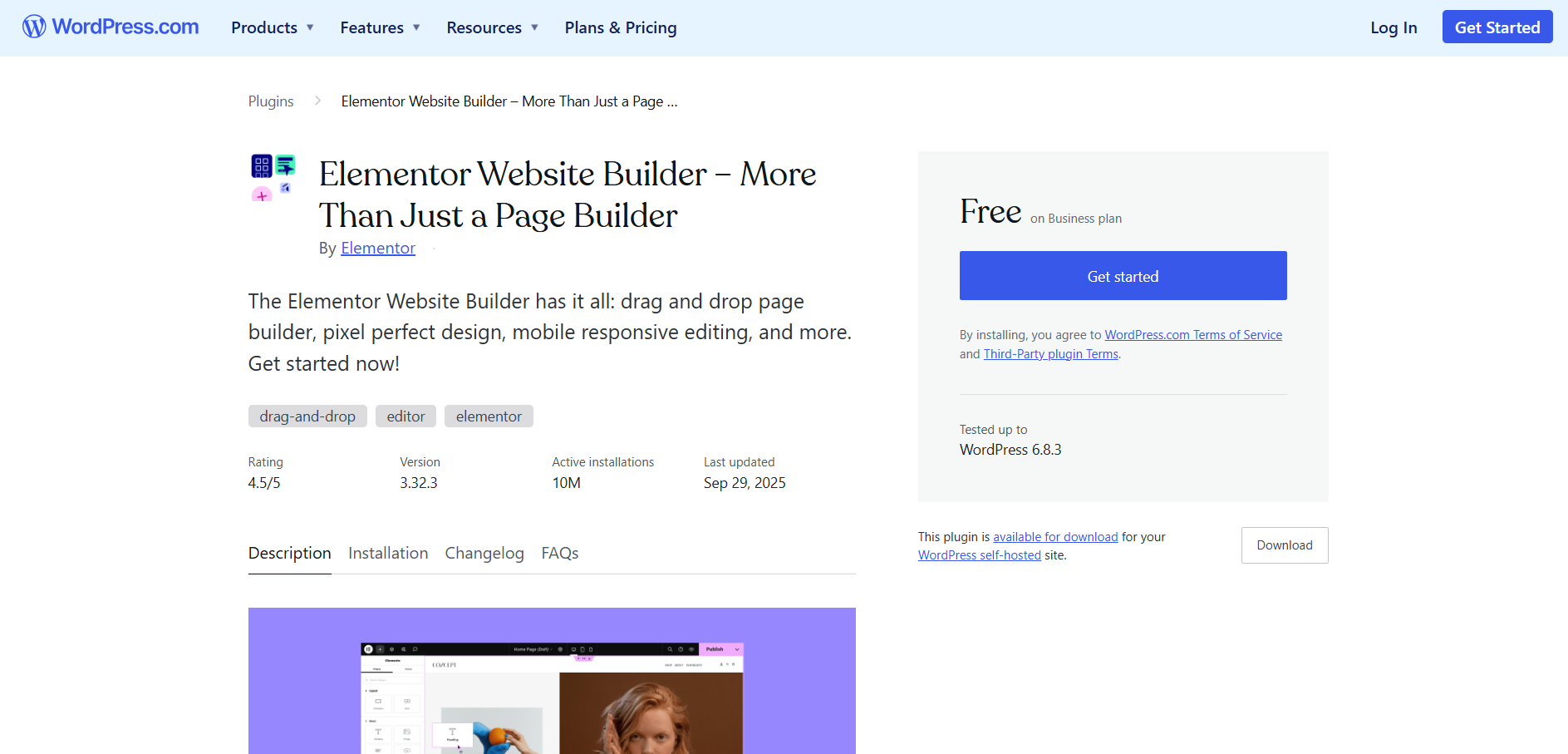
3. WordPress With Elementor – Best for SEO & Customization
If you want total control over your medical website, from design to security to SEO , then WordPress with Elementor is the gold standard. It’s the most powerful website solution for healthcare providers who want to scale, customize, and grow their online presence over time.
More than 43% of all websites online are built on WordPress, and for good reason. It offers unmatched flexibility and may be tailored to meet the unique needs of medical practices, from solo practitioners to multi-location healthcare networks.
Unlike drag-and-drop-only builders, WordPress gives you full ownership and control of your site. You may customize every feature, choose your hosting environment, and integrate thousands of healthcare-specific plugins. With the Elementor page builder, designing pages becomes just as easy as on Wix or Squarespace but with far more power under the hood.
One major advantage for medical websites is the ability to host your site on HIPAA-compliant platforms. Services like WP Engine and Kinsta offer enterprise-grade security, SSL certificates, encryption, and data protection protocols that help keep patient information safe and compliant.
You may also integrate secure patient portals, HIPAA-compliant contact forms, and encrypted messaging systems. Plugins like Gravity Forms and Ninja Forms make it easy to collect patient data securely, while integrations with telehealth tools allow for appointment scheduling and virtual care directly through your website.
WordPress truly shines in SEO performance. It’s built to be search engine-friendly out of the box, and tools like Yoast SEO or Rank Math make optimizing content simple. With the right structure, your medical site may rank for local healthcare keywords, condition-specific searches, and service-based queries, bringing in more patients from Google.
Another key benefit is scalability. As your practice grows, your website may grow with it. You may add new pages, launch a blog, integrate e-commerce for selling supplements or digital health programs, and build advanced features over time all without switching platforms.
Medical practices that want complete control, top-tier SEO performance, and secure patient data handling, with the freedom to grow and scale.
4. Webflow – Best for Custom Medical Branding
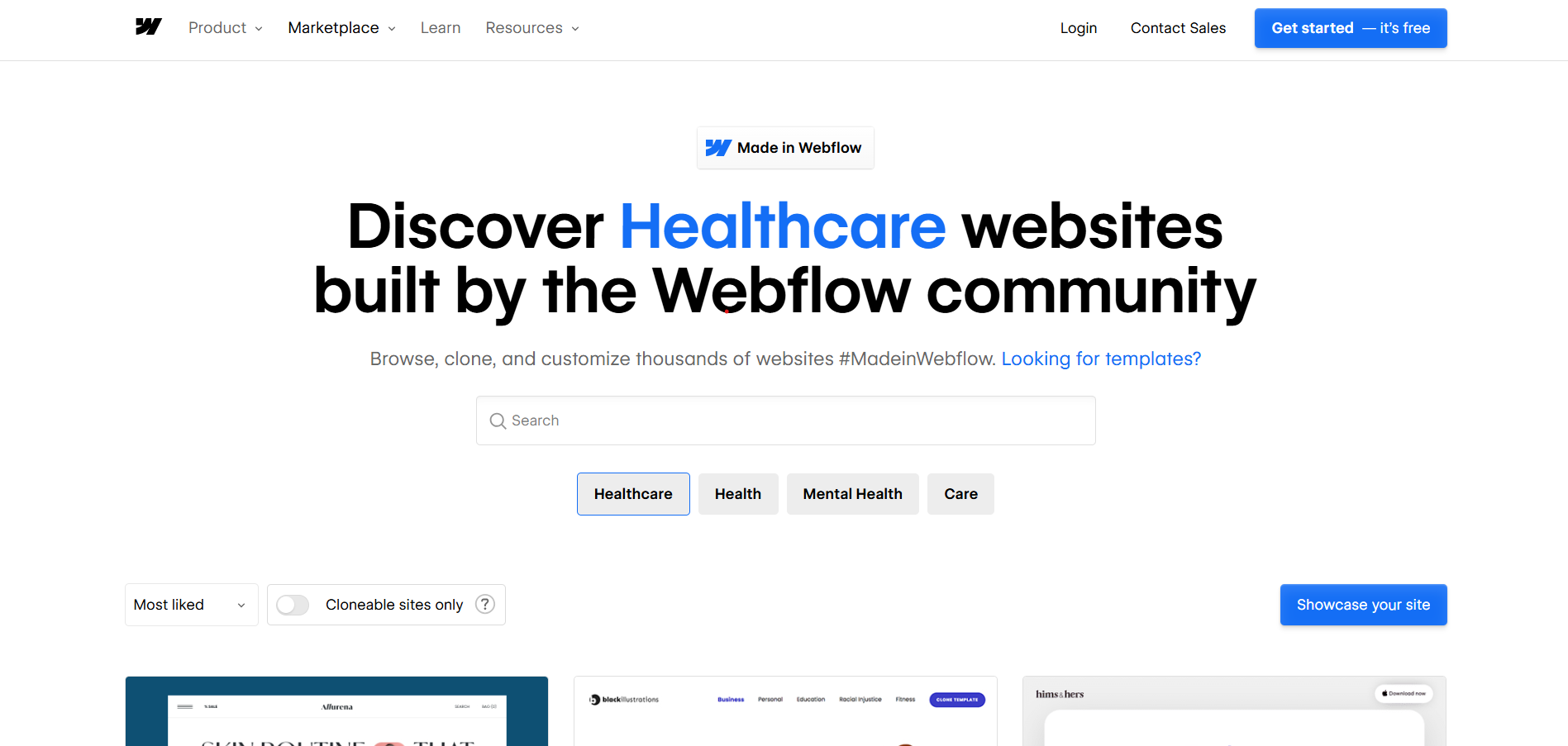
If your medical practice is ready to stand out online with a truly unique, branded website, Webflow is one of the best tools you may choose. It’s a platform built for precision, giving you pixel-perfect control over every page, every section, and every user experience. For healthcare organizations that want more than a template, Webflow is a powerful solution.
Unlike traditional drag-and-drop builders, Webflow blends design freedom with the performance of custom code, without needing to write any. You may design a website from the ground up, fully tailored to your brand’s style, tone, and patient experience. That’s why it’s often the go-to platform for larger practices, specialty clinics, and healthcare startups that want a premium digital presence.
One of Webflow’s most valuable features is its built-in CMS (Content Management System). This lets you easily manage blogs, FAQs, treatment pages, and patient education resources, all from a single dashboard. Publishing new articles, sharing medical insights, or creating educational series becomes fast and scalable. This is because companies with active blogs generate 67% more leads than those without, this feature may directly impact patient acquisition.
Compliance and security are also well supported. While Webflow itself is not natively HIPAA-compliant, it integrates smoothly with third-party HIPAA-compliant tools for patient forms, encrypted communications, and secure data handling. Services like Compliancy Group and external form providers may help you maintain the legal standards your practice requires.
Webflow also gives you advanced SEO controls, clean code, and lightning-fast hosting powered by Amazon Web Services. This means your site loads quickly which is a key factor, since 53% of users abandon a site if it takes longer than 3 seconds to load.
The platform’s design flexibility makes it ideal for creating custom patient journeys. You may build dynamic pages for different conditions, design interactive appointment flows, or embed educational videos and infographics. Every touchpoint may reflect your brand’s voice, building trust before a patient even steps into your clinic.
Larger clinics, multi-location practices, and healthcare brands that want a fully custom website experience with precise control and a premium feel.
5. Duda -Best for Multi-location Practices
If your medical business operates multiple locations, or you plan to scale, Duda is one of the most powerful website builders you may choose. It’s designed for growth, offering tools that make it easy to manage several websites under one platform. For healthcare organizations with clinics, franchises, or specialty departments in different cities, Duda is a serious contender.
Where Duda stands out is its multi-site management system. Unlike most website builders that focus on single-site creation, Duda lets you build, customize, and control dozens (or even hundreds) of sites from one dashboard. This is a huge advantage for healthcare groups with multiple branches, satellite offices, or specialized service pages.
Each site may have unique branding, content, and services, yet they all stay consistent under your main healthcare brand. That’s a big win for patient trust and search visibility. This is because Duda is known for its lightning-fast hosting and clean code, your pages will load quickly and perform well across all devices.
Duda also includes built-in client portals, which may be repurposed as patient’s portals. These allow secure document sharing, test result access, appointment details, and more all behind password-protected logins. This feature is especially helpful for specialty practices like dermatology, physical therapy, or diagnostics, where patient follow-ups are common.
Scheduling is another key strength. With built-in appointment tools and easy integrations for calendars and telehealth platforms, patients may book visits directly on your site and no third-party apps required. You may also customize forms for referrals, consultations, or ongoing care.
For healthcare groups that offer franchise or partnership models, Duda’s white-label options are a major plus. This feature lets you offer branded websites for each location without revealing the backend platform. It’s perfect for private clinic chains or diagnostic networks that want a unified look but independent site management.
From an SEO perspective, Duda performs well, too. It automatically optimizes page structure, metadata, and mobile responsiveness, crucial for ranking in local healthcare searches. It also allows location-based pages and schema markup to improve visibility for “near me” searches.
Duda is best for multi-location clinics, healthcare franchises, and group practices that need scalable, branded websites with patient-friendly features.

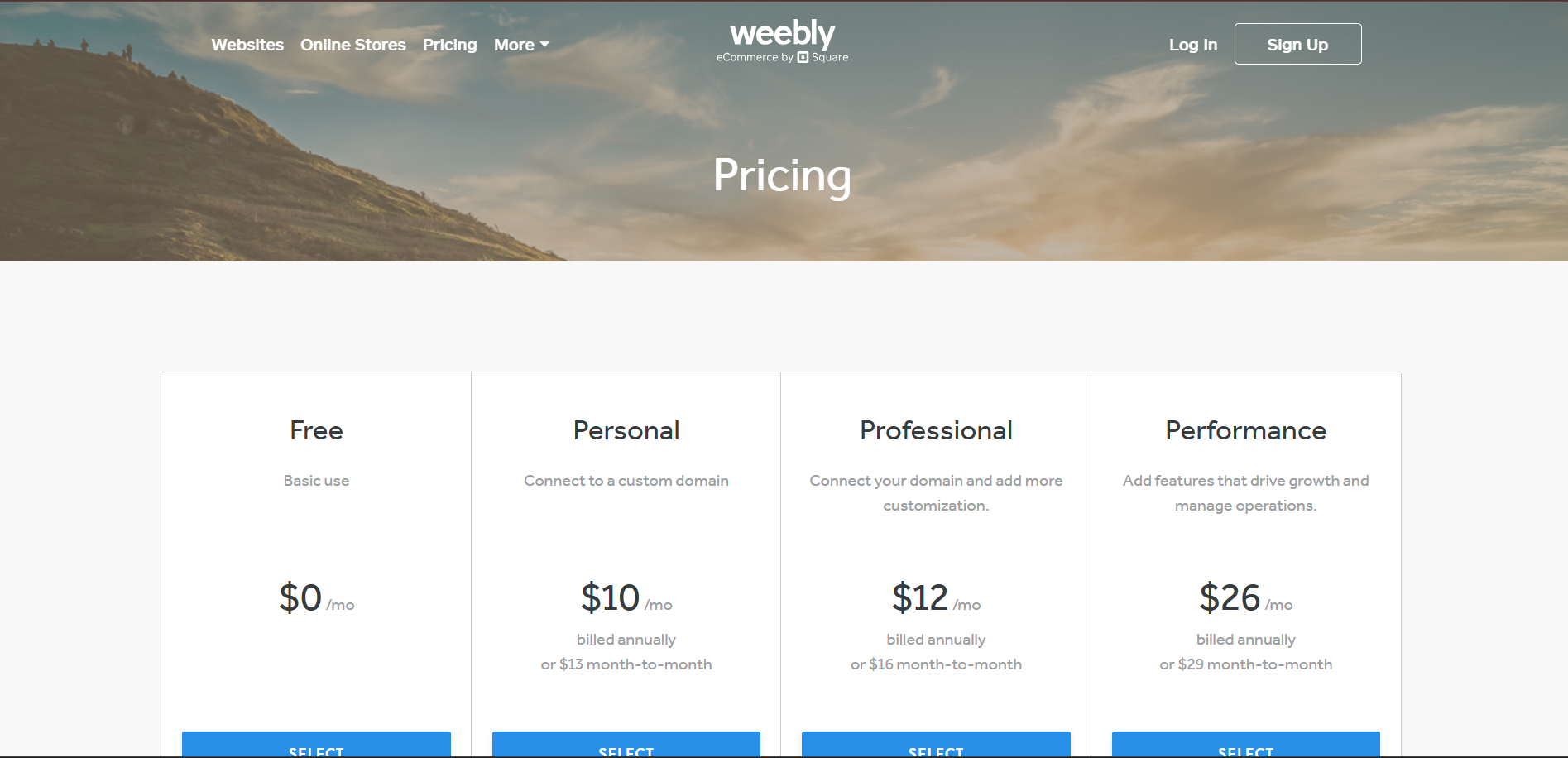
6. Weebly – Best for Budget-Conscious Private Practices
If you’re just starting your medical practice or running a small clinic on a tight budget, Weebly is one of the most affordable and beginner-friendly website builders you may use. Owned by Square, Weebly combines ease of use, solid functionality, and low pricing, making it a great choice for solo practitioners, therapists, and small healthcare offices.
Weebly’s strength is its simplicity. The drag-and-drop editor is one of the easiest on the market, so you don’t need any coding or design skills. You may launch a clean, functional site in just a few hours. Choose a template, customize your pages, and add essential sections like services, contact forms, and patient testimonials all without hiring a developer.
Despite its simplicity, Weebly still offers plenty of features that matter for healthcare websites. You may add contact and intake forms, embed appointment scheduling tools, and connect a business email. Its integration with Square’s payment system also makes it possible to accept online payments for consultations, telehealth sessions, or follow-up services directly from your site.
For small practices, content marketing is often an overlooked but powerful growth tool. Weebly includes a built-in blogging platform that makes it easy to publish health tips, patient guides, and medical updates. This may help you improve SEO, build trust, and attract more patients through search engines, even on a limited marketing budget.
While Weebly isn’t as feature-rich or customizable as platforms like WordPress or Webflow, it’s more than enough for small medical websites that don’t need advanced integrations or enterprise-level scalability. It’s especially useful if your main goal is to establish an online presence quickly without spending thousands on development.
Weebly is best for solo practitioners, therapists, and small medical offices that want an affordable, easy-to-manage website with essential features and a clean design.
7. Shopify – Best for Selling Health Products & Services
If part of your healthcare business involves selling supplements, medical devices, wellness products, or telehealth services, then Shopify is one of the most powerful platforms you may use. Known as the world’s leading e-commerce builder, Shopify isn’t just for online stores, it’s also an excellent option for medical practices that want to combine patient care with online revenue.
Shopify powers over 4.6 million websites worldwide, and its strength lies in simplicity and scalability. Even if you’ve never built a website before, Shopify makes it easy to launch a professional online storefront in days with payment processing, inventory tracking, order management, and secure checkout already built in.
For healthcare professionals, this opens up powerful opportunities. You may create a shop for nutritional supplements, digital health programs, therapy sessions, remote consultations, or membership plans – all sold directly through your site. And if you offer telehealth services, you may bundle them as packages and accept payments online.
While Shopify isn’t inherently HIPAA-compliant, you may integrate HIPAA-compatible third-party forms and patient intake tools to securely collect medical information before or after purchase. Services like Compliancy Group or secure form builders such as Jotform HIPAA allow you to stay compliant while managing sensitive data.
Shopify also integrates easily with medical booking tools and appointment software. This means patients may not only buy a service but also book a consultation slot immediately after checkout creating a smooth, conversion-friendly patient journey.
Its built-in SEO tools and marketing features make it easy to attract new patients and customers too. You may optimize product pages, launch email campaigns, run discounts, and even sell across social platforms like Instagram or Facebook, all from your Shopify dashboard.
Shopify is best for medical practices, clinics, and wellness brands that want to sell health-related products or services online while offering patients a seamless experience.

Future Trends
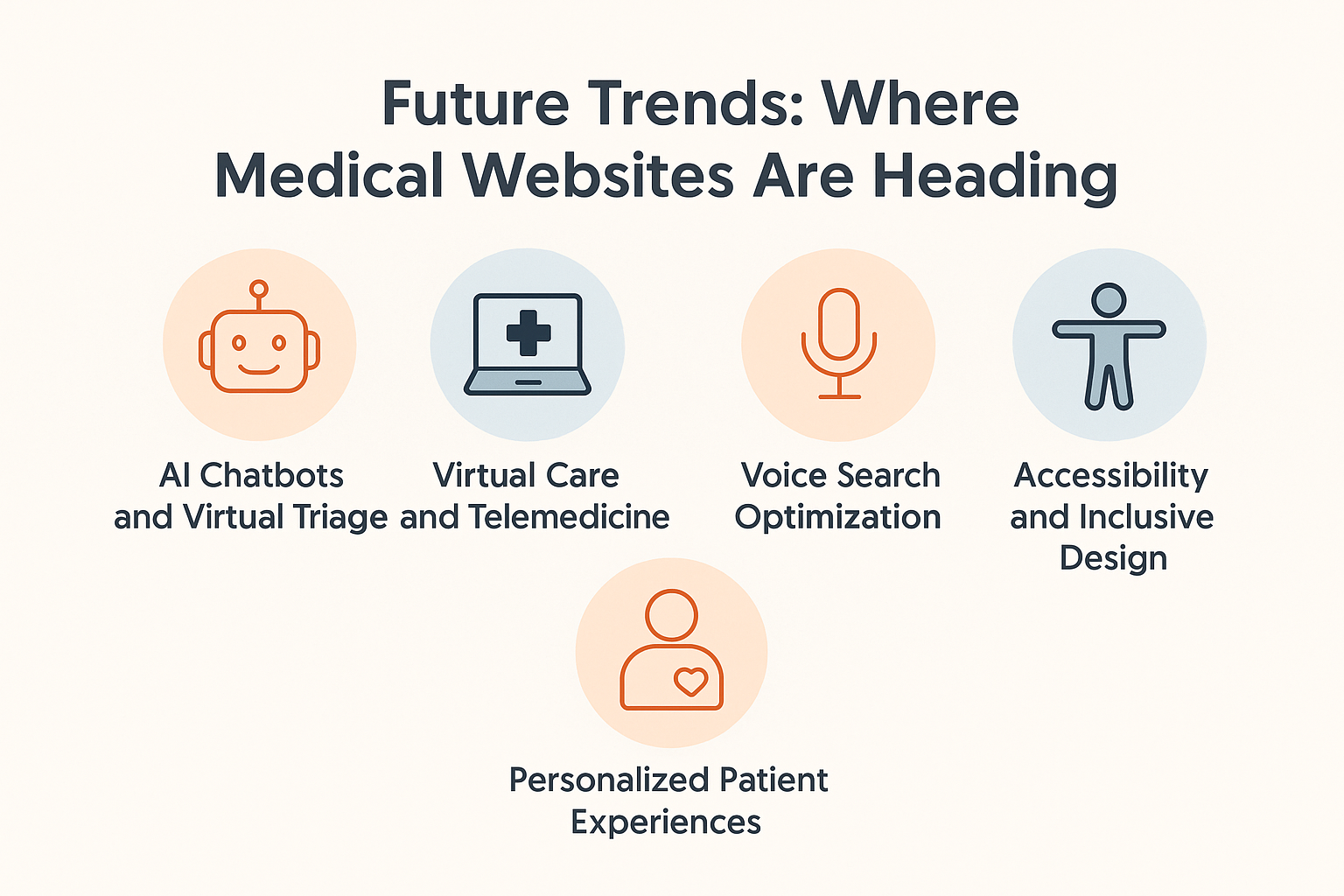
Healthcare is changing fast, and so are patient expectations. Your website isn’t just a digital brochure anymore. It’s becoming a virtual care hub, a communication tool, and a growth engine for your practice. Here’s where medical websites are heading in the next few years and why planning for these trends now will keep you ahead of the curve.
1. AI Chatbots and Virtual Patient Triage
The next generation of medical websites will include AI-powered chatbots to guide patients even before they book an appointment. These bots may answer FAQs, collect basic symptom details, and route patients to the right service, saving staff time and improving patient satisfaction. In fact, over 64% of patients say they’re comfortable interacting with healthcare chatbots for initial support.
2. Virtual Care and Built-in Telemedicine
Telehealth isn’t a pandemic trend, it’s the future. Patients now expect to book virtual visits directly from your website. Platforms are already integrating video calls, secure messaging, and payment processing into healthcare websites. By 2030, the global telehealth market is projected to exceed $455 billion.
3. Voice Search Optimization
Voice assistants like Siri and Alexa are changing how patients find healthcare. More than 50% of healthcare searches are now voice-based. Optimizing for conversational keywords and natural language will help your practice appear in these results, especially for “near me” and symptom-based queries.
4. Accessibility and Inclusive Design
Accessibility isn’t optional anymore, it’s expected. Websites that follow ADA and WCAG 2.2 standards ensure people with disabilities may navigate, read, and interact with your content. It’s not just the right thing to do, it also improves SEO and reduces legal risk.
5. Personalized Patient Experiences
Data-driven personalization is transforming healthcare websites. Expect to see pages that dynamically adjust based on patient history, location, or interests. From tailored content recommendations to condition-specific resources, personalization builds trust, and boosts engagement.
The future of healthcare websites is smarter, more interactive, and more patient-centered. By embracing these trends now, your medical practice won’t just keep up, it will lead the digital healthcare revolution.
FAQs
1. What makes a website builder HIPAA-compliant?
A HIPAA-compliant website builder ensures that protected health information (PHI) is stored, transmitted, and accessed securely. This includes SSL encryption, secure hosting, access controls, and audit trails. Many platforms themselves aren’t HIPAA-compliant out of the box, but they may become compliant when paired with HIPAA-ready hosting providers and third-party integrations (like Compliancy Group). Always sign a Business Associate Agreement (BAA) before collecting patient data online.
2. How much should a medical website cost in 2025?
It depends on your needs. A simple website with booking and contact forms may cost as little as $15-$50/month with a DIY builder. A more advanced, fully HIPAA-compliant site with patient portals, SEO tools, and integrations might range from $100-$300/month. If you hire a developer for a fully custom WordPress or Webflow build, expect $5,000-$15,000 upfront.
3. Can I accept online payments or insurance?
Yes. Most website builders support secure payment gateways like Stripe, PayPal, or Square. You can accept payments for consultations, telehealth sessions, or lab tests. Some platforms also integrate with insurance verification tools or billing systems, allowing patients to pay co-pays or submit claims online.
4. Do I need a blog for my medical practice website?
Absolutely. A blog builds authority, trust, and visibility. It helps answer patient questions, improve your SEO rankings, and attract new traffic. Businesses that blog get 55% more website visitors than those that don’t (HubSpot).
5. What’s the #1 mistake clinics make when building a site?
The biggest mistake is treating a website like a digital brochure. A great medical website is interactive; it educates, converts, and connects patients to care. Add online booking, clear calls-to-action, and patient-focused content to turn visitors into actual appointments.
Recent Comments